Table Of Content

For a $500,000 house, a 20 percent down payment is $100,000 — a large amount, but the more you pay upfront the less you’ll have to borrow, and so the lower your monthly payments will be. In addition, if you put down less than 20 percent, you’ll likely have to pay an extra monthly fee for private mortgage insurance. Many mortgage products will allow a much lower down payment, but again, that will result in higher monthly mortgage bills.
Monthly payment: What’s behind the numbers used in our mortgage payment calculator?
Home buyers can often lower their monthly payments and save thousands just by shopping around for lower rates. This gives you your current DTI so you can see where you stand before applying for a mortgage. Keep in mind that lenders won’t look at your current rent payment when calculating your DTI unless you plan on staying in your rental after you buy your new home.
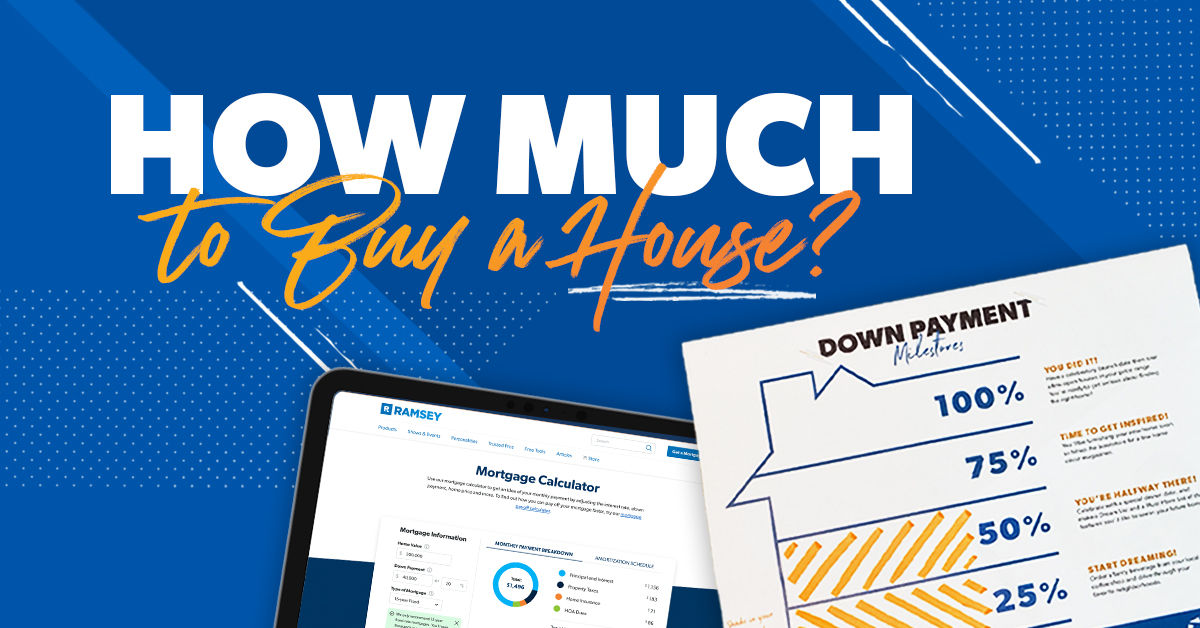
Mortgage payment calculator
That way, when you find the home of your dreams, you're financially prepared to make an offer and close the deal. To buy a $600,000 house, you’d likely need to put at least 10% down on a conventional mortgage. The amount you need to save depends on your home price, location, and the type of mortgage you plan to use. Part of owning a home is caring for it and preparing for regular home maintenance. It’s a good idea to budget 1.5 percent of the home’s value for annual maintenance costs.
Closing costs: 2% to 5% of the purchase price

Lenders like to see larger down payments because they indicate a lower level of risk if you default on the loan. The offers that appear on this site are from companies that compensate us. But this compensation does not influence the information we publish, or the reviews that you see on this site. We do not include the universe of companies or financial offers that may be available to you. Housing affordability has become more challenging as home prices and mortgage rates have risen. According to NAR, home buyers in mid-2023 need almost twice as much income to buy a home as home buyers in 2020 did.
Prepaid costs
Home Advisor estimates a cost of at least $2,300 for full-service movers (including packing) or up to $800 to just move the contents of a three-bedroom house locally, for example. In addition, keep in mind that a $400,000 home can look vastly different from one location to another. In some markets $400K may get you a modest cottage, if that, while in others it can buy a veritable mansion.
US residents must make $120K a year to afford a home in 2024, realtor claims: 'The old American dream died' - New York Post
US residents must make $120K a year to afford a home in 2024, realtor claims: 'The old American dream died'.
Posted: Mon, 15 Jan 2024 08:00:00 GMT [source]
Title Insurance
How Much House Can I Afford On A $70K Salary? - Bankrate.com
How Much House Can I Afford On A $70K Salary?.
Posted: Wed, 04 Oct 2023 07:00:00 GMT [source]
You can also opt for specialty services like a pest, radon or mold inspection. These might run your tab up by several hundred dollars but could save you headaches in the long run. You can think about refinancing (if you already have a loan) or shop around for other loan offers to make sure you’re getting the lowest interest rate possible.
How does credit score impact affordability?
You’ll also pay more if you have more stuff to haul or are using additional services such as packing or unpacking, assembling furniture or moving oversized items (like a piano or swingset). Moving costs are higher during times of peak demand, such as summer weekends. Down payments can be a bit of a compromise, balancing what you can reasonably save with your desire to buy a home sooner rather than later. If you need a boost in the down payment department, explore local and state assistance programs.
The down payment: 3% to 20% of the purchase price
In addition to your credit score, lenders also look at your debt-to-income (DTI) ratio when you apply for a mortgage. If you have a lot of debt compared to your monthly income, you might have difficulty getting approved for a loan – so if you can afford it, make some extra debt payments before you apply for a loan. By making larger payments on student loans, medical bills or credit card balances, you can reduce your debt and improve your DTI. Simply put, a down payment is the cash a home buyer pays upfront in a real estate transaction. It’s a percentage of the home’s purchase price, and though mortgage lenders once required a 20% down payment, this is no longer the case. Determining how much money you need to buy a house has always been daunting for first-time homebuyers, but 2023 may feel like a new level of frustration.
Other factors, including where you want to live and the type of loan you get, will also play a role in how much money you’ll need to save. That depends on the price of the house you want to buy, your down payment and your closing costs. Read on to find out how much money you'll likely need to buy a house. The best mortgage for first-time buyers will be the loan for which you’re most qualified. Among the more popular loan options for first-timers are FHA loans because of their flexible eligibility requirements.
Closing costs vary from lender to lender, so pay close attention to the origination fee and underwriting fee to see where you might be able to save. It’s important to note that you’ll likely pay some additional expenses on closing day that aren’t considered closing costs. These are known as prepaids, and can include homeowners insurance premiums and property taxes. You’ll also prepay interest on any days remaining through the end of the month. For example, if you close on April 20, you will prepay on interest through April 30.
Home buyers using the FHA program might see an upfront cost closer to $24,000 — but note, FHA loan limits max out at $ in most areas. So a $400,000 home might require a larger down payment to get your loan amount below local limits. Earnest money is paid into escrow, where it’s held until closing. At closing, the escrow service releases the money to be applied toward a down payment, closing costs, or back to the buyer so they can reclaim their cash. Down payment assistance programs offer low- or no-interest loans of up to $100,000, or forgivable loans and grants to eligible first-time buyers.
Budgeting for related costs — like moving and new home repairs — will help you put together a more realistic estimate of how much money you really need to buy a house. It’s a good-faith deposit that will be applied to your down payment when the home sale closes. You just need to make sure the cash is ready to go when your offer is accepted. Calculate how much you can save each month and estimate how many months you’ll need to save the money to buy a house. You can revisit your budget to trim more expenses and save quicker as necessary. When you buy a home, your down payment is the amount of your own money you contribute toward the purchase price.
You’ll need to determine a budget that allows you to pay for essentials like food and transportation, wants like entertainment and dining out, and savings goals like retirement. The cost of mortgage insurance depends on your loan type, down payment amount, credit score and many other factors, but it can add $100 a month or more to your mortgage payment. In addition, several low- and no-down payment mortgages allow for even less money upfront.


No comments:
Post a Comment