Table Of Content
If window screens are already present, make sure there are no visible rips or tears. It has a worldwide distribution and is prominent in the United States. House flies are not only nuisance pests while buzzing around homes, but they are potential disease carriers.
housefly
The chemicals you use to treat your lawn can be dangerous, though. These are poisonous chemicals if ingested and can be especially dangerous for pets and children that play on grass. The larvae leave brown patches in the grass as they feed on the roots and cause the grass to diet.
Comparison With Other Flies: Differences And Similarities With Other Common Flies
In addition to being attracted to our food, houseflies also seek out moist environments for breeding purposes. Common household items like damp mops or buckets of water can serve as ideal breeding grounds for these pests. Even pet waste left unattended in your backyard can quickly become a thriving housefly nursery. The emergence of an adult housefly from its pupal case is truly a spectacle to behold! It pushes its way out using an inflated pouch on its head called a ptilinum which deflates shortly after emergence.
Physical Transformations: Changes In Appearance And Function From One Stage To Another

I have been one of those people who used to run away from cockroaches and rats due to their pesky features, but then we all get that turn in life when we have to face something. They will fly towards the warmth, and if there is an opening such as a door or window, they will enter the building.
A female blowfly lays up to 300 eggs at one time, and with numerous females visiting a corpse, the number of maggots can be immense. For example, 48,562 maggots were found on a 156 g piece of meat after 24 hours exposure. However, because this was insufficient food to sustain them, only 231 flies finally emerged. In warm weather, conducive to fly growth, maggots can consume 60 per cent of a human body in less than a week. Under favorable conditions, the larva goes through three stages of development in 3 to 7 days.
What is the life span of a Housefly?
Making Food From Flies (It's Not That Icky) - NPR
Making Food From Flies (It's Not That Icky).
Posted: Thu, 19 Sep 2013 07:00:00 GMT [source]
In sensitive environments such as food preparation and packing facilities, restaurants, and hospitals, even small numbers of flies cannot be tolerated. In the context of livestock or poultry production, however, some flies are inevitable. Serious problems occur when cities or suburban development occur near poultry production facilities, as residents usually will not tolerate the large numbers of flies emanating from such facilities. House flies achieve sexual maturity and become capable of reproducing within 16 to 24 hours of completing the life cycle and reaching adulthood.
Lifespan/Longevity
Killing adult flies may reduce the infestation, but elimination of breeding areas is necessary for good management. Garbage cans and dumpsters should have tight-fitting lids and be cleaned regularly. Dry garbage and trash should be placed in plastic garbage bags and sealed up. All garbage receptacles should be located as far from building entrances as possible.
Cluster flies: A fall invader that lives up to its name - Michigan State University
Cluster flies: A fall invader that lives up to its name.
Posted: Tue, 16 Oct 2012 07:00:00 GMT [source]
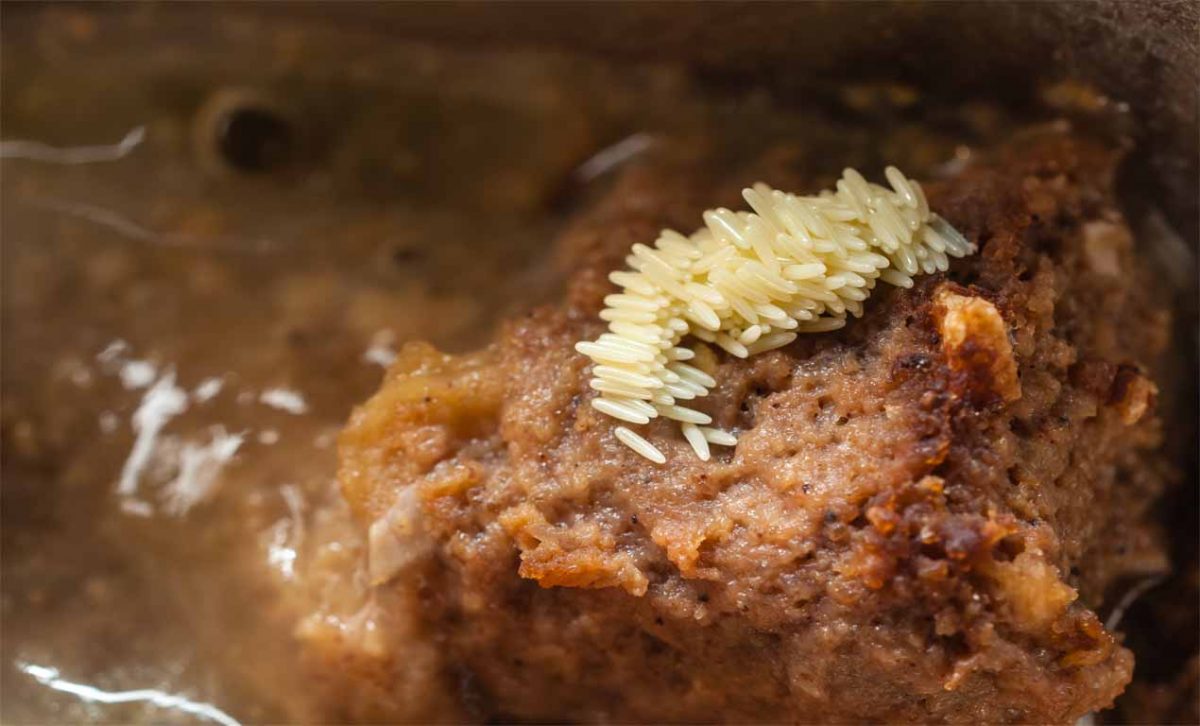
In extreme cold or hot conditions, houseflies may not survive at all. The selection of the egg-laying site is crucial for the survival of her offspring. Female houseflies are attracted to damp, decaying organic material such as compost heaps, garbage bins, or animal feces. Such places provide not only a safe haven for the eggs but also an abundant food source for the larvae once they hatch. In the first section labeled ‘Egg’, picture tiny white oval shapes clustered together. Houseflies lay their eggs in decaying organic matter which provides food for the soon-to-be larvae.
Larval Stage (Maggots)
Visual representation is a powerful tool that can significantly enhance our understanding of complex processes, such as the life cycle of a housefly. It provides a clear and concise overview of the process, allowing us to visualize each stage and understand how they are interconnected. While the above paragraph provides a brief overview of the life cycle of a housefly, it’s crucial to delve into more detail to fully understand this intricate process.
During this time, they will go through a number of changes as they grow and develop into adult houseflies. They go through a four-stage lifecycle, during which they grow and develop into adult house flies. In North Carolina, tests showed that when house fly populations occur near the surface on the drier periphery of the manure, the conditions favor parasitism by Muscidifurax raptor. When the flies pupate at greater depths the conditions favor Saphalangia cameroni. In North Florida, releases conducted with Saphalangia endius showed that they could successfully parasitize pupae, both above and below the soil surface. Adults usually live 15 to 25 days but may live up to two months.
Once you have an infestation in your soil, animals like skunks migrate to your lawn and dig for these critters, leaving holes everywhere. Female flies have thicker bodies with pointed tips, and males have pincers. You can tell these flies from mosquitoes by the mouth and wings. Crane flies have snout-like mouths, while mosquitoes have piercing, tube-like mouths and scales on their wings. Paludosa, is also native to Europe and Africa, though popular across North America.
Birds too have a significant impact on the adult fly population. Species like swallows, starlings, and sparrows are known to feed on flies regularly. In fact, during nesting season when they’re feeding their young, these birds can consume thousands of flies per day. Houseflies, despite their small size, have a voracious appetite that plays an integral role in both their survival and their life cycle.
A single female house fly can lay up to 500 eggs during her lifetime. The eggs are deposited on decaying organic matter, and the larvae will feed off the decomposing material. Flesh fly larvae feed for 3 or 4 days and become pupae that burrow into nearby soil. Depending on the species, eggs may hatch within 24 hours and the entire life cycle of the fly may be completed within 1-2 weeks.


No comments:
Post a Comment